



Thick fish specimen
The puffer puffer is a general term for multifamily fishes under the puffer shape, and is widely known for its ability to swell into a ball when encountering an enemy (the name "puffer puffer" derives from its habit of swelling in water). There are about 150 species in the world, widely distributed in temperate to tropical waters, some species inhabit freshwater or brackish water environments. It is mainly distributed in the coastal waters of the Pacific Ocean, Indian Ocean and Atlantic Ocean (such as the Sea of Japan, the South China Sea and the Caribbean Sea); some species are adapted to freshwater or brackish water environments (such as the obscura of China and the freshwater puffer of the Mississippi River in North America).

pencil sea urchin
Pencil sea urchin (scientific name: Eucidaris tribuloides) is a typical benthic sea urchin under the head of Echinoderma sea urchin class. It is named after its long and straight spines are shaped like pencils. Widely distributed in tropical to temperate shallow seas, it is an important "rock area dweller" in coral reef ecosystems ". It is mainly distributed in the western Atlantic Ocean (Florida to Brazil in the United States), the Caribbean Sea, the Mediterranean Sea and the tropical waters of the Indian Ocean-Pacific Ocean (such as the Great Barrier Reef in Australia and the Philippines); it is inhabited in shallow sea reef areas or coral reef crevices, and the water depth is usually not more than 50 meters (usually 1-20 meters).

Leopard bream specimen
Leopard bream (scientific name: volitans) is a large benthic fish of the family Dactylopterus bream, named for its dark spots on the body. Mainly distributed in the western Atlantic Ocean and the Mediterranean Sea, is a typical "benthic ambush" in tropical to temperate waters ". It is mainly distributed in the western Atlantic Ocean (from the east coast of the United States to Brazil, including the Gulf of Mexico and the Caribbean Sea) and the Mediterranean Sea. It inhabits sand or gravel bottom waters with a water depth of 10-100 meters. Juvenile fish are occasionally found in estuaries or shallow coastal waters. Adult fish mostly move in deeper waters.

Japanese Cod Specimen
scientific name: Theragra chalcogramma, cod cod family cod. The body extension is spindle-shaped, the body surface is smooth and scaleless, the back is grayish brown with dark spots, and the abdomen is silvery white. The mouth is large, the lower jaw is slightly prominent, with 1 chin whisker; 3 dorsal fins, 2 gluteal fins, and the caudal fin is lightly forked.

Atlantic Humpback Dolphin Specimen
Atlantic humpback dolphin scientific name: Cynoscion regalis, perciform stonidae. The body is extended and flat, the head is pointed and blunt, the snout is short and rounded, the body side has silvery white luster, the dorsal fin spine is separated from the soft strip, and the caudal fin is deeply forked. It is distributed in tropical to temperate waters of the western Atlantic, including the coast from Florida to Brazil, especially in the Gulf of Mexico and the Caribbean Sea. It inhabits shallow coastal waters (water depth 10-150 m) and prefers muddy waters near sandy sediments or mangroves.

Iridescent glass tiger specimen
Iridescent glass tiger scientific name: Amblypomacentrus clarus, perciform finch snapper. Widely distributed in the Indo-Pacific tropical waters, including the Red Sea, Maldives, the Philippines to the Great Barrier Reef of Australia; inhabits shallow coral reefs (water depth 1-15 m), preferring sandy sediments or reef crevices. It feeds on plankton, small crustaceans (such as copepods) and algae detritus; juvenile fish rely on symbiotic organisms for food residues, and adult fish actively prey on them.

dolphin lip flounder specimen
The scientific name of the dolphin lip flounder: Trinectes maculatus, sole-shaped mesh sole family. It is distributed along the Atlantic coast of North America and the Gulf of Mexico. It inhabits estuaries, lagoons and low-salinity rivers to spawn. Adult fish mostly live in shallow sand and mud bottom waters (water depth <50 meters). The body is flat, the eyes are located on the right side, the body surface has dark spots or stripes, the pectoral fin is symmetrical with the gluteal fin, and there is no caudal fin. The skin is rich in mucus, and the body color changes with the environment (tan to yellow-green). With algae, organic debris and small invertebrates, the pectoral fin meat pad is used to excavate the bottom sand and feed on buried prey.

High-kiss deep-sea dog mother fish specimen
High kiss deep-sea dog mother fish, scientific name: Melamphaes highsnoutus, lantern fish deep-sea dog mother fish family. The anastomosis is significantly raised, with a light emitter on the side of the body, and the body color is dark brown to black, adapting to the dark environment of the deep sea. Polychaete worms and carrion that use luminous baits to attract prey and often gather around shipwrecks or whales to feed on organic debris.

Hastelloy Sole Specimen
Hastelloy sole, scientific name: Pegusa harmandi, sole-shaped mesh sole, body length 15-30cm, maximum record 40cm; Flat body shape, left and right asymmetry, right eye located on the dorsal side, left eye buried under the skin; Body color changes with the substrate, often showing a protective color similar to the environment. The staple food is small crustaceans (shrimp, crab larvae), polychaete worms and organic debris, which use the suction of the kiss.

Gunther Boat Fish Specimen
Gunther boat fish, scientific name: HalicampusBoothae sea dragon tube fish family. The body is slender like a tube, the tip of the snout is long, the body surface has a bone nail piece and dark stripes, the male has a nursery bag, and the female has a darker body color. The body length is 15-30cm, and the maximum record is 35cm. The body is cylindrical, the body surface is covered with small bone plates, and the body side has 5-7 dark brown horizontal bands. The juvenile fish has a brighter body color. Staples planktonic crustaceans (ticklepeds, mysids), small worms and algal detritus that use the suction of the kiss to capture benthic prey.

Gulf Toad Fish Specimen
Gulf toadfish, scientific name: Opsanus beta, toadfish family, toadfish, short body, wide head, skin with mucus glands, body color grayish brown to yellowish brown, with dark spots; The pectoral fin is wide, and the throat of male fish expands and emits low-frequency chirping during breeding. The body length is usually 30-50cm, with a maximum record of 80cm. The body looks like a toad, with a wide and flat head, extremely cracked mouth and sharp jaw teeth. The body surface has mucus glands and secretes defensive mucus. The staple food is crustaceans (shrimp, crab), small fish (e. g., pies) and hairy worms, which are preyed on by digging the bottom sand with wide pectoral fins.

green scale fish specimen
Green scale fish, scientific name: Hexagrammos otakii, redfish six-line fish family. The body extension is spindle-shaped, the maximum body length is 60cm (such as green spot six-line fish), and the weight can reach 2kg. Benthic species are mostly brown with dark stripes, clean species with blue-green metallic luster. The first dorsal fin, the base of the gluteal fin and the base of the pectoral fin spines have venom glands, which cause severe pain and swelling after being stabbed. Crustaceans, polychaetes, small fish and algae; use pectoral fin spines to dig bottom sand for food.

Specimen of Greer's grouper
Greer's grouper, scientific name: Cephalopholis cruentata, subfamily of Perciformes Serranidae grouper. The body side has red and yellow stripes, the abdomen is pale yellow, and the dorsal fin, gluteal fin and caudal fin have blue spots. The mucus on the body surface contains slight toxins, which may cause redness and swelling when stabbed. It inhabits tropical and subtropical waters of the western Atlantic, from Florida to Brazil, including the Caribbean, the Gulf of Mexico and the Bahamas. It is inhabited in coral reef and rock reef area, with water depth of 1-50 m, preferring sand and mud bottom or gravel gap. The staple food is small fish, crustaceans (shrimp, crab) and cephalopods.

flying fish specimen
The family Scorpon (Dactylopterus volitans) is found in tropical and subtropical Atlantic waters, including the southeastern coast of the United States, the Gulf of Mexico, the Caribbean Sea, Brazil to Argentina, and occasionally in the Mediterranean Sea. It inhabits the sandy sea bottom, usually 10-300 meters deep. It feeds on crustaceans (shrimp, crab) and mollusks (clams, worms) and uses pectoral fin pads to detect prey in the bottom sand.
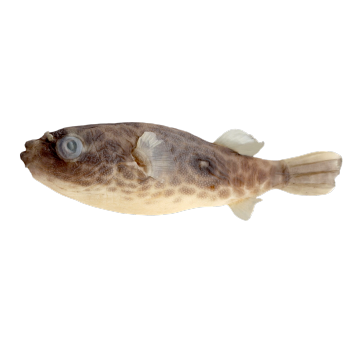
Fugu fangs specimen
Puffer fangshi (scientific name: Takifugu fangshi), puffer family, with small spines on the body surface, white abdomen, dark brown spots on the back, extremely toxic. It is mainly distributed in the southeast coast of China (East China Sea, South China Sea) and the southern waters of Japan, and inhabits the coastal shallow sea (5-50 meters) and the semi-salty area of the estuary. The body is short and round, flat on the side, the body length is usually 15-30cm, and the largest individual can reach 40cm. The body surface is densely distributed with small spines, the back is dark brown with irregular dark spots, the abdomen is pure white, and the pectoral fin is followed by black eye spots. Carnivorous, small fish, shrimp, crabs, shellfish for food, the use of sharp teeth tore prey.

Oriental rainbow fish specimen
Oriental rainbow fish (scientific name: Melanotaenia splendida splendida), rainbow silver Han fish family, is one of the most representative varieties of rainbow fish. Mainly distributed in the eastern coastal freshwater basins of Australia, such as rivers, lakes and marshes in Queensland, New South Wales and Victoria. The body side is flat and spindle-shaped, the body length is usually 8-12cm, and the largest individual can reach 15cm. The body surface has a metallic luster, and the body side has a wide iridescent longitudinal band (blue, green, orange, red gradient) from the operculum to the caudal fin, and the abdomen is silvery white. omnivorous, with algae and aquatic plants as staple food

Dolphi specimens
Dolphin (Coryphaena hippurus) (also known as ghost head knife, marlin) Dolphin, streamlined shape, dorsal fin and gluteal fin as tall as a sail, body side with metallic luster, male head uplift helmet-shaped. Global tropical and temperate waters (40 ° N to 40 ° S), such as the surface to 100 m deep waters of the Atlantic, Pacific and Indian Oceans. Seasonal migration with the warm current, such as the North Atlantic dolphin, often migrates to the North Atlantic waters in summer. To fly fish, sardines, squid and other small migratory fish and cephalopods as the staple food, the use of high-speed pursuit of hunting.

Ghost Shark Specimen
Chimera, the ghost shark (Chimaera) has a long head of bone nail, a slender tail such as a whip, and a gill cleft located in front of the head (unlike sharks), with power generation capacity. Global distribution of deep-sea cold waters (200-3000 meters), such as the Atlantic, Indian Ocean, Pacific abyssal plains and trenches, rarely into the shallow sea.

Chain Cat Shark Specimen
Chain cat shark (Halaelurus lineatus) chain cat shark is a cat shark, body surface with chain-like markings, large eyes, gill is located on both sides of the head, tail fin wide. It is mainly distributed in the Indian Ocean-Western Pacific Ocean, such as the South China Sea, the Ryukyu Islands of Japan, the Philippines, and Indonesia. It inhabits the sandy sediment waters on the edge of the continental shelf, with a water depth of 50-500 meters. The body is elongated, flat on the side, the body length is usually 30-60cm, and the largest individual can reach 75cm. The body color is grayish brown or tan, with dark chain markings on the body side (hence the name "chain cat shark"), light-colored abdomen, rough skin and fine shield scales.

Crocodile flounder specimen
Crocodile flounder (scientific name: Cynoglossus acuticeps, English name: Crocodile Tongue Sole) is mainly distributed in the Indian Ocean-Pacific Ocean, such as Indonesia, Philippines and northern Australia, and inhabits shallow seas (50-200 meters) with sandy sediment. The body side is flat, the eyes are located on the left side, the mouth is asymmetrical, resembles the crocodile head, hence the name. Population decline due to indiscriminate bottom trawling and habitat destruction (coral reef degradation).

The stuffed weasel
The mustard (scientific name: Barbulifer ceuthoecus, family name: Ophidiidae) is a small carnivorous fish distributed in the deep-sea bottom of tropical and temperate waters. It is named after its fleshy tentacles and is a mysterious "hermit" species in the deep-sea ecosystem. It belongs to the family Mustelidae, including about 20 genera and more than 150 species, such as the genus Mustelia and the genus Mustelia. It is mainly distributed in the tropical to temperate waters of the Atlantic Ocean, Indian Ocean and Pacific Ocean, and is common in the deep ocean bottom (water depth 100-1000 m) at the edge of the continental shelf, especially in rocky or coral reef slope areas.

Atlantic lantern fish specimen
Atlantic lantern fish (scientific name: Anomalops katoptron, family name: Anomalopidae) is a unique deep-sea luminous fish in tropical and temperate waters of the Atlantic Ocean. It is famous for its unique luminous organs and is called "flashlight in the ocean". It belongs to the family of the order lantern, containing about 5 genera and 20 species, such as the Atlantic lantern fish and the southern lantern fish. It is mainly distributed in the tropical to temperate waters on the east and west sides of the Atlantic, such as the Gulf of Mexico, the Caribbean Sea, the coast of Brazil and the waters of West Africa, and inhabits complex structural areas such as coral reefs, rocks or shipwrecks.
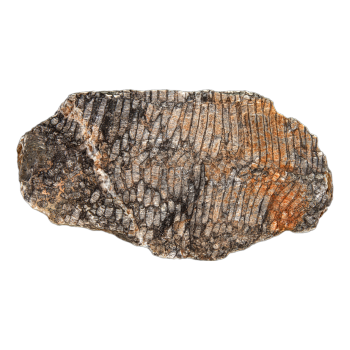
Silicified coral

Green Bird's Nest Coral Specimen
Green Bird's Nest Coral is a group of hard corals belonging to the Pocilloporidae family. It usually forms a shrub like cluster structure and is mainly distributed in East Africa, the Red Sea, and the West Indo Pacific region. This type of coral has thicker branches and blunt ends. The coral holes are mostly arranged in rows and have a cover like structure similar to Stylophora. They usually grow on shallow reef slopes, especially on the back reef slopes, with a depth of up to about 25 meters.

Popular Models
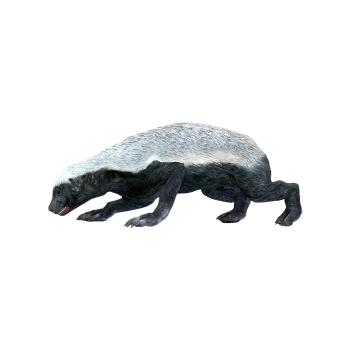
Honey Badger (3D animated model)
194 View
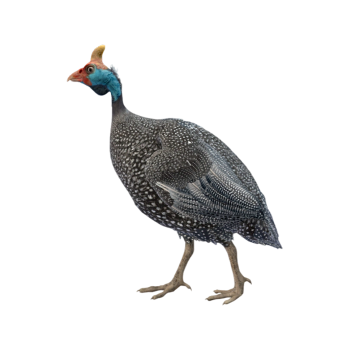
Guinea fowl (3D animated model)
165 View
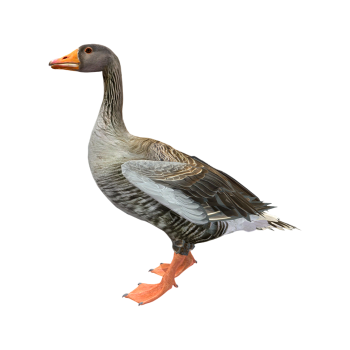
Wild Goose (3D animated model)
187 View
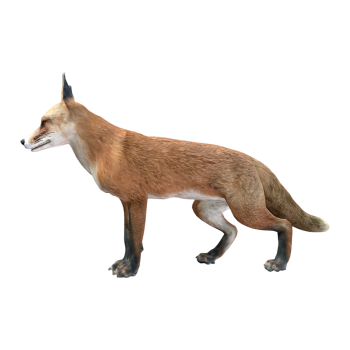
Red Fox (3D animated model)
155 View
Random Model
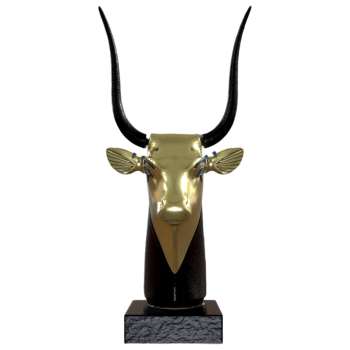
Hassol cow statue (3D printable)
673 View
Microwave oven
671 View
armchair
702 View
Outdoor metal slide
473 View

Tyrannosaurus (3D animated model)
180 View
Pine tree
115 View

Guifang Bridge, Hangzhou
668 View

Lotus Carlton
684 View